Sterling Stories
Every piece of silver carries a story - not just in its hallmarks and craftsmanship, but in the culture, style, and people who once wore it. Sterling Stories is a place to explore those histories: the origins of sterling silver, the hidden language of hallmarks, the rise of Albert chains, the craft techniques behind each piece, and the eras that shaped jewellery design.
These articles are written to make silver more than metal. They’re here to help you recognise what you’re holding, to fall in love with its past, and to see why it deserves a future. Whether you’re here to shop, to learn, or both, the stories are part of the legacy.
The History of Sterling Silver
Sterling silver has always been more than just a precious metal. It is history stamped in miniature, a language of lions, crowns, and letters pressed into the surface of everyday objects. From medieval merchants trading across Europe, to Victorian families commissioning tea services or Albert chains, sterling silver has stood as a symbol of trust, quality, and status.
At Sterling Legacy, every piece I offer begins with that foundation - 92.5% sterling silver, shaped and marked by generations of silversmiths.
What Does “Sterling” Mean?
The word sterling most likely comes from “Easterlings” - merchants from the Hanseatic League in northern Germany who were renowned in 12th-century England for the consistent quality of their coins. By the reign of Henry II, Easterling silver had become sterling silver: a defined standard of 92.5% silver and 7.5% copper for strength.
This was revolutionary because it wasn’t just a material - it was a promise of purity. For the first time, silver could circulate in coins and objects with confidence that they would not bend, break, or devalue.
Silver in Victorian & Edwardian Life
By the 19th century, sterling silver was woven into social identity.
Albert watch chains became a mark of respectability and masculine elegance.
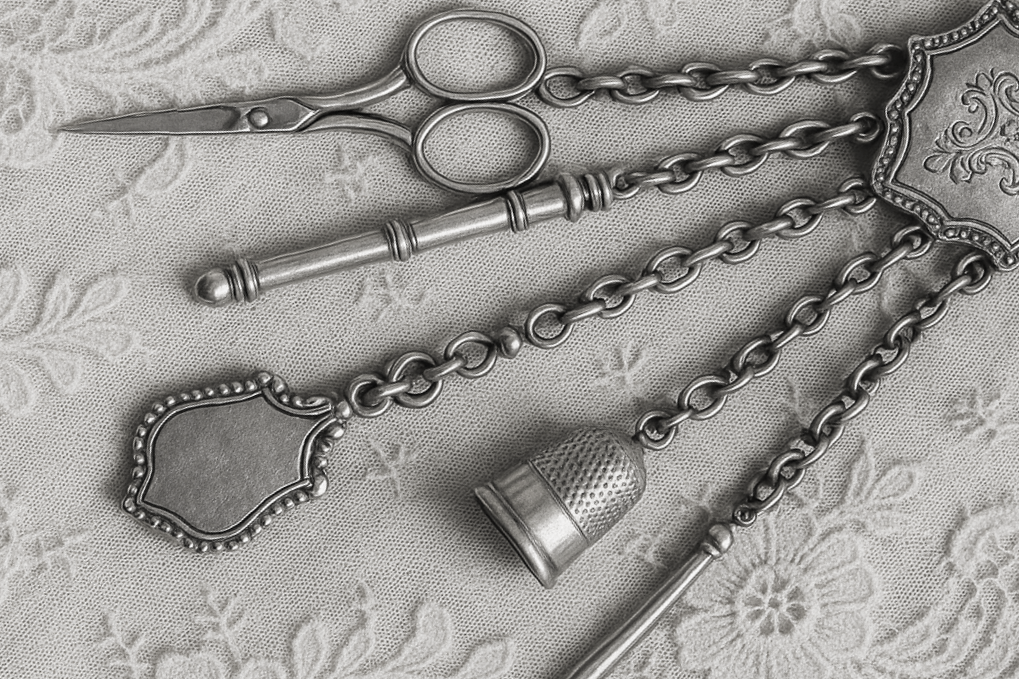
Chatelaines hung from women’s belts, heavy with tools and trinkets.
Tableware displayed wealth in dining rooms lit by gaslight.
Fobs and medals marked personal milestones, from military service to civic honours.
Silver was not just functional. It was a stage on which society displayed itself.
The Hallmark System
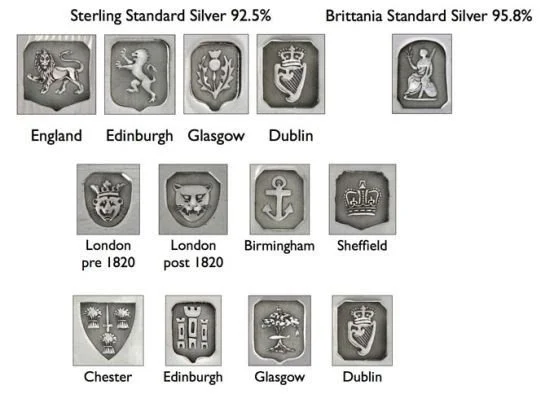
England’s system of hallmarking silver is one of the oldest quality controls in the world. By 1300, Edward I required all silver to be tested at the London Assay Office, where it was struck with a tiny lion passant mark - a symbol still recognised today.
Hallmarks are not decoration. They are science and law in miniature:
The standard mark tells us the fineness of the silver.
The town mark shows where it was tested - London, Birmingham, Chester, Sheffield, and others.
The date letter allows us to pinpoint the year.
The maker’s mark ties the piece to an individual or workshop.
When you hold a piece of antique silver, you are holding a document of its making.
Industrial Shifts & Craft Traditions
During the Victorian era, the Industrial Revolution changed silver production:
Pressed silver allowed cheaper mass production.
Casting provided speed, but with less individuality.
Hand engraving and chasing remained the mark of bespoke, higher-end pieces.
These methods shaped not only the appearance but also the meaning of silver objects. Pressed silver was for the many; hand-engraved silver remained for the few.
Why It Matters Today
Understanding this history transforms how we see a pendant, a chain, or a fob seal. These are not just ornaments; they are fragments of social history. Each mark, each join in a chain, tells us something about the silversmith’s world and the person who first wore it.
Sterling Legacy exists to keep that history alive - by reimagining antiques not as scrap or forgotten objects, but as modern heirlooms that continue their story into the present.
Hallmarks a Guide
Hallmarks are the fingerprints of silver. They tell us where a piece was made, when it was tested, and often by whom.
But if you’ve ever looked at a cluster of tiny marks through a loupe and thought “what am I even looking at?” - you’re not alone.
This guide is designed to help you make sense of hallmarks quickly, whether you’re holding an antique Albert chain, a family spoon, or a pendant on a market table.
It’s not an exhaustive chart of every date letter - I’ll link you to those specialist resources if you want to dive deep.
Instead, think of this as your practical field guide: what matters straight away, how to spot sterling vs plated, and where to look for the real clues.
Step One: Sterling vs. Electroplate
The very first question to answer: is it sterling, or is it plated?
Sterling Silver (92.5%)
Usually has hallmarks or stamps like 925, lion passant (UK), or country-specific marks.
Feels heavier for size.
Polishes to a soft glow; tarnishes evenly.
Electroplated (EPNS, EP, Silverplate)
Look for stamps like EPNS, EP, or “silver plate.”
Often very shiny, but the surface wears to reveal base metal (yellow or coppery underneath).
Light for size.
Common on spoons, trays, and mass-market items.
Rule of thumb: If you see “EP” anywhere, it’s plated.
Step Two: Look for the Standard Mark
Different countries use different symbols to guarantee purity:
UK & Commonwealth → The famous lion passant (sterling). Scotland used a thistle; Ireland a harp.
Europe → Often numeric, e.g. 800, 900, 925. Some use animal heads (France = Minerva’s head).
USA → Look for Sterling or 925. U.S. didn’t have the same mandatory hallmark system.
Modern international → 925, 958 etc. indicate fineness.
Step Three: The Assay Office or Town Mark
If you’re looking at British silver, the town mark can immediately tell you where it was tested.
A few of the most common you’ll encounter:
London → Leopard’s Head.
Birmingham → Anchor.
Sheffield → Crown (until 1975, then rose).
Chester → Wheat sheaf (until the office closed in 1962).
Edinburgh → Castle.
Dublin → Harp crowned.
These marks are often clearer than a date letter, so they’re a great place to start.
Step Four: Maker’s Mark
Usually initials in a rectangular or oval punch. They identify the silversmith or company responsible. Many are obscure, but spotting them shows you’re handling something with traceable heritage.
Step Five: Date Letters (Optional)
Every British hallmark set includes a date letter, but this is where it gets fiddly (different fonts, cycles, and capitals). Instead of trying to memorise them, I recommend:
Linking directly to trusted resources (e.g. Silver Collection, Antique Silver Hallmarks online).
Keeping a reference book handy if you want to go deeper. A good beginner-friendly choice is Jackson’s Hallmarks.

Tips for Beginners
Always check the inside of clasps, lids, and edges - hallmarks hide where the punch wouldn’t spoil the design.
Use a 10x loupe - naked eye may not be enough.
Don’t trust one mark alone - a lion can mean sterling, but paired marks tell the whole story.
If in doubt, test - but only with non-destructive methods (XRF, jeweller’s acid test as a last resort).
Red Flags & Misleads
“Sterling Silver Plated” is not sterling. It’s a marketing trick.
925 on costume jewellery from dubious sources may not be real - check weight and tarnish.
Souvenir spoons often mimic real marks but are plated.
Learning More
If you’re fascinated, here are some reliable resources to go deeper:
Jackson’s Hallmarks (book, widely available on Amazon).
The Silver Collection website (excellent online reference).
Regional silver societies (many publish guides online).
Closing Note
Hallmarks can feel like code - but once you know what to look for, they’re addictive. Every piece tells you where it was born, who touched it, and how it travelled through history. And that’s the heart of Sterling Legacy: helping you read those stories, so the silver you hold feels alive again.
Albert Chains & Fob Culture
Albert chains are among the most iconic forms of Victorian and Edwardian silverwork. Named for Prince Albert, consort of Queen Victoria, they became a defining accessory of the 19th century - a piece that was at once practical, fashionable, and deeply symbolic.
Originally designed to secure a gentleman’s pocket watch to his waistcoat, the Albert chain evolved into much more: a marker of respectability, a canvas for personal expression through fobs, and a showcase of craftsmanship in every link. Today, these chains remain highly collectable and wearable, not only as historical artefacts but also as modern statement jewellery.
What Is an Albert Chain?
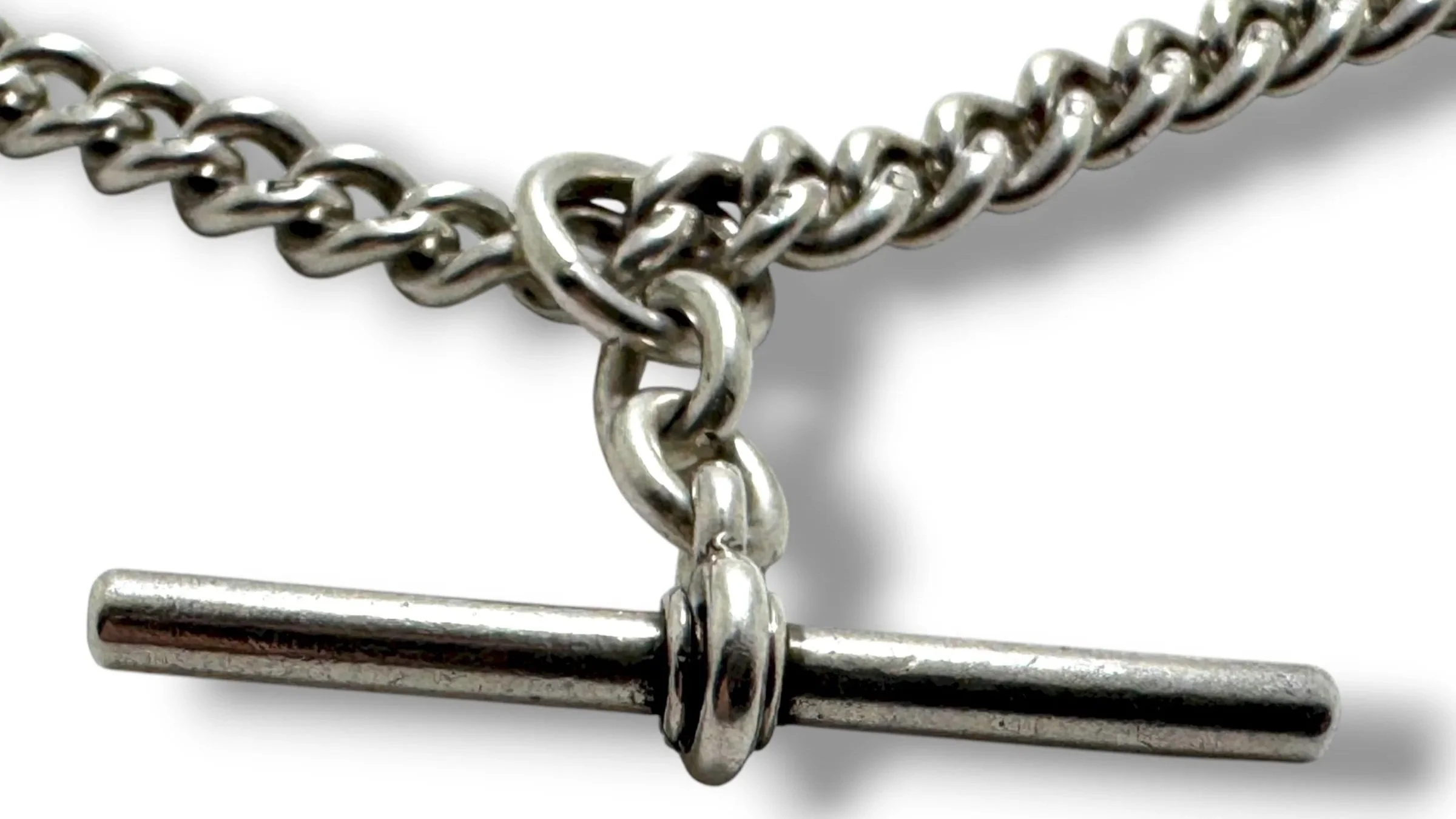
An Albert chain is a silver (or gold) chain worn across the waistcoat, anchored with a T-bar through a buttonhole and often finished with one or more decorative fobs. Its purpose was functional — to keep a watch secure — but also social. A gleaming chain suggested punctuality, status, and taste.
There are two main forms:
Single Albert – a chain with one drape across the vest, attached to the watch on one end and anchored with a T-bar.
Double Albert – a chain with two equal drapes, usually carrying a watch on one side and a fob or locket on the other.
The Craft of the Links
One of the most fascinating aspects of Albert chains is the evolution of how the links themselves were made.
Open Link Construction (Early to Mid-Victorian)
Each link was individually formed and left unsoldered — effectively “open.”
This allowed owners to add or remove links to customise the length and weight of their chain.
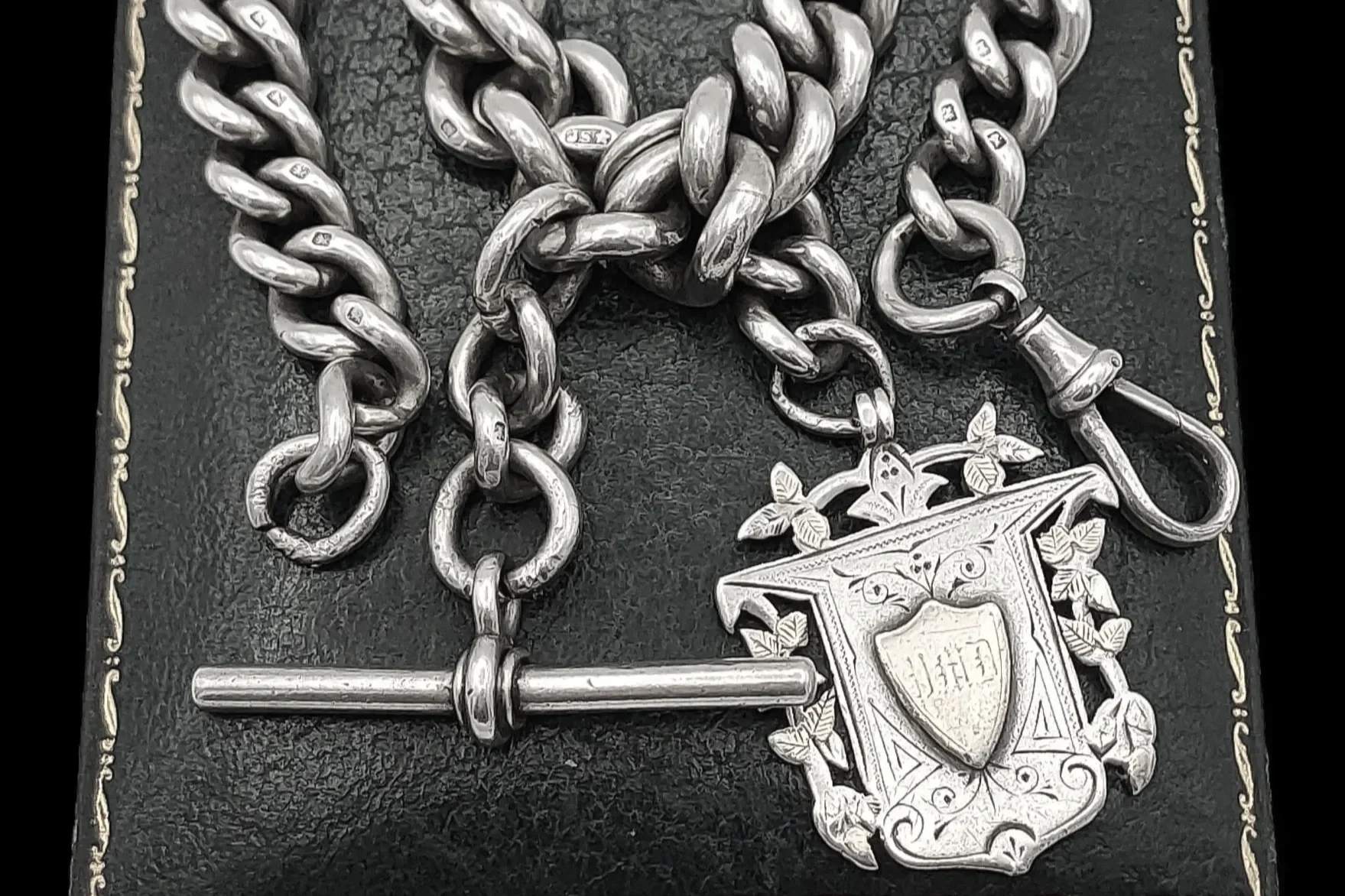
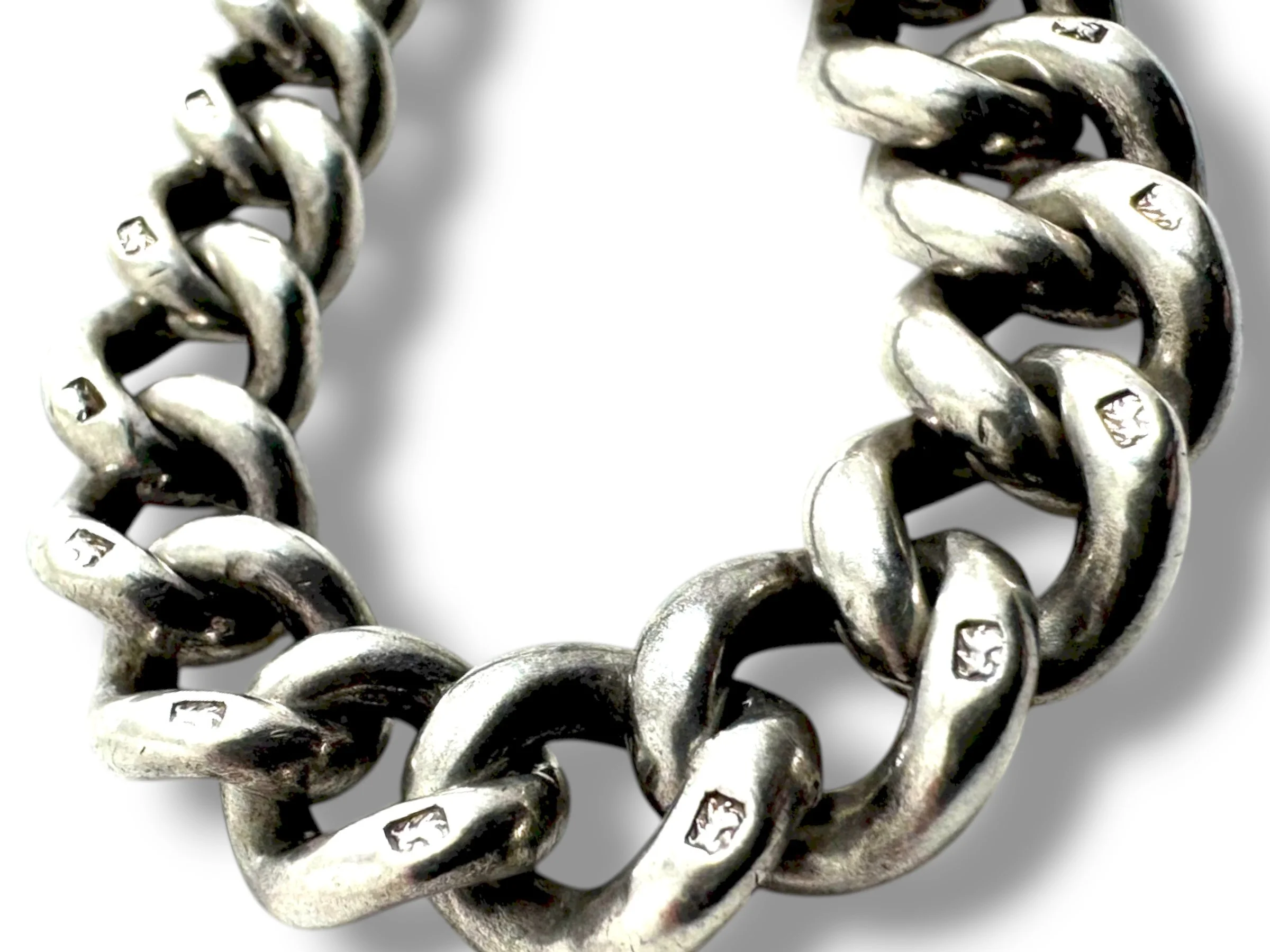
Every link was often struck with its own lion passant hallmark. Imagine the labour: every single link was not only shaped but tested and marked.
These open-link Alberts are highly desirable today because they represent the height of silversmithing effort and integrity.
Soldered Links (Late Victorian to Edwardian)
As industrialisation advanced, chains moved to soldered, closed links.
Hallmarks were then applied to the finished chain (usually on the clasp or T-bar), rather than on every link.
This made production faster and less labour-intensive, but lost some of the individuality of earlier chains.
For collectors, this difference matters. An open-link, individually hallmarked Albert speaks of a time when every part of the chain was a piece of silver in its own right.
Who Wore Them & Why
Men: In Victorian society, the Albert chain was considered essential dress for a respectable gentleman. It spoke of order, timekeeping, and dignity. Clerks, professionals, and gentry alike wore them.
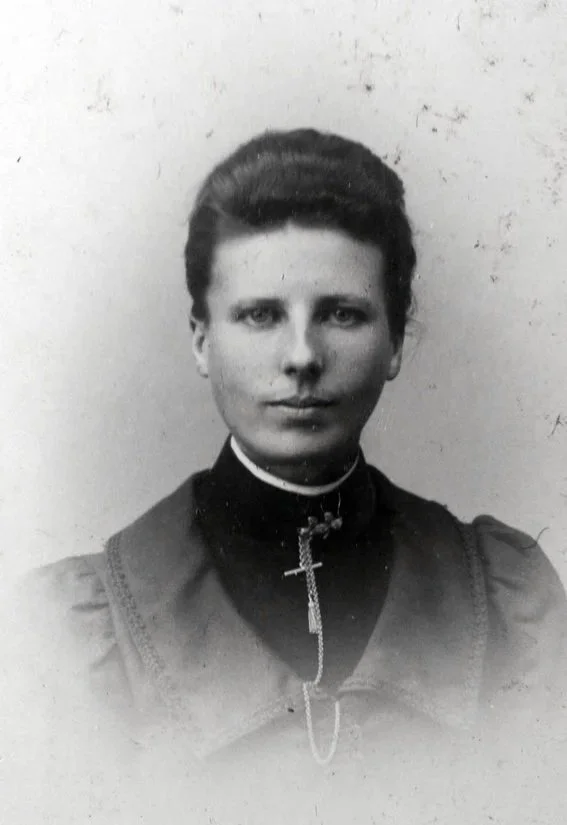
Women: Though less common, women wore chains in the form of chatelaines or adapted Alberts as decorative waist chains, often with tools, lockets, or decorative fobs.
Across Class Lines: The quality of the chain reflected social standing. A lightweight machine-made chain marked the clerk, while a heavy, graduated hand-hallmarked chain signalled wealth.

Collecting & Buying Today
If you are considering an Albert chain, here are key things to look for:
Hallmarks:
Earlier chains may show lion passant on every link.
Later chains usually show marks on clasps, T-bars, or central links.
Link Construction: Open vs soldered — understand the difference in craftsmanship.
Condition: Check for wear to links, stretched joins, or replaced clasps.
Weight & Length: Heavier chains generally command higher prices; lengths vary depending on intended use.
Fobs: Original fobs in good condition add significant character and value.
Red Flags:
Modern “Victorian style” reproductions can be misleading. They often lack proper hallmarks, feel too light, or show machine-stamped links.
Electroplated versions (EPNS) are common and should be clearly distinguished from sterling.
Types of Chains
Albert chains came in many variations, reflecting both fashion trends and technical innovation:
Graduated Chains – links that increase in size towards the centre, creating a balanced, elegant drape.
Curb Links – interlocking oval links, often flat and angled; the most durable and common.
Trombone Links – elongated rectangular links, often with connector rings; popular in the late Victorian and Edwardian eras.
Fancy Links – twisted, knotted, or patterned links, less common but prized for their individuality.
Double Alberts – symmetrical chains with a central or sliding T-bar, prized for their fullness and balance.
A Fob for Purpose
Fobs are the decorative pendants, seals, or trinkets that hang from an Albert chain. Originally, a fob seal would carry a personalised crest or monogram, used to seal letters in wax. Over time, fobs expanded to include:
Lockets – carrying hair, portraits, or sentimental keepsakes.
Medals & Tokens – awards, civic medals, or Masonic emblems.
Charms & Coins – small objects of personal meaning.
Fobs turned each chain into a personal story. To glance at a man’s fob was to glimpse his affiliations, passions, or achievements.
Styling Through Time
Victorian Era: Fuller, heavier chains, often double Alberts with multiple fobs.
Edwardian Era: Slightly lighter, more refined chains — trombone links became fashionable.
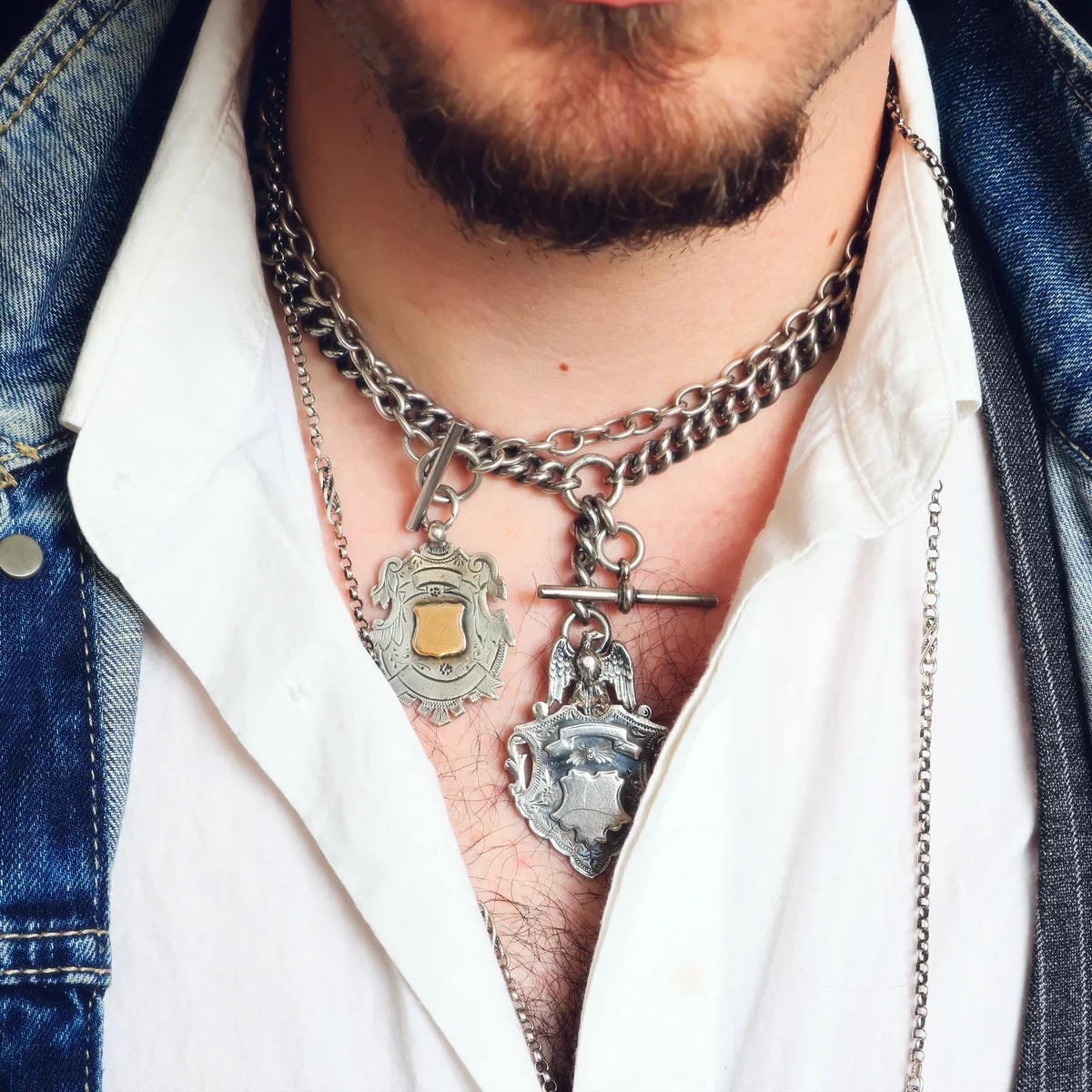
Modern Wear: Today, Alberts are often worn as necklaces or bracelets, with the T-bar as a feature charm. They remain versatile: equally striking as a layering piece or a bold single chain.
The Legacy Today
Albert chains endure because they embody everything Sterling Legacy stands for: craftsmanship, heritage, and story. Each chain is more than silver links — it is a record of a society that valued punctuality, symbolism, and artistry.
Reimagined today, Alberts live on as bold necklaces, statement bracelets, and heirloom treasures. In preserving and reshaping them, we keep their history not in a museum case but around a living neck or wrist.
Antique Silversmithing
Techniques & Craft
(pressed silver, hand engraving, casting, chain-making, repoussé, chasing)
Silver is never just silver. The way it is shaped, engraved, pressed, or chased tells as much of its story as the hallmarks on its surface. To hold a piece of antique silver is to hold the fingerprint of its maker: the tool marks, the finish, and even the shortcuts taken.
Understanding these techniques allows us to appreciate both the artistry and the social context in which each piece was made.
At Sterling Legacy, I preserve those marks of history. This page introduces some of the key techniques you’ll see across Victorian and Edwardian silver - along with notes on how they changed with time, and what they mean for collectors today.
Patination & Finishes
Polishing: Gives a mirror finish but erases tool marks.
Matte/Brushed finishes: Subtle textures, sometimes added post-fabrication.
Natural patina: Tarnish and age give silver its character.
Collecting insight: Over-polishing can erase detail — sometimes the best finish is restraint.
Pressed Silver
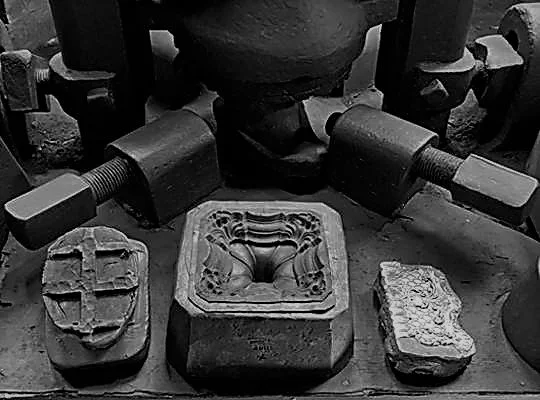
Method: Sheets of silver pressed into moulds with hydraulic force.
Era: Mid-to-late Victorian, into Edwardian.
Why it mattered: Allowed mass production of decorative items like boxes, trinkets, and even some chain links.
Look for: Crisp repeating patterns, thinner walls, less individuality. Often lighter than comparable handmade pieces.
Collecting insight: Pressed pieces were “democratised silver” -0 more affordable, more common. Still charming, but not unique.
Hand Engraving
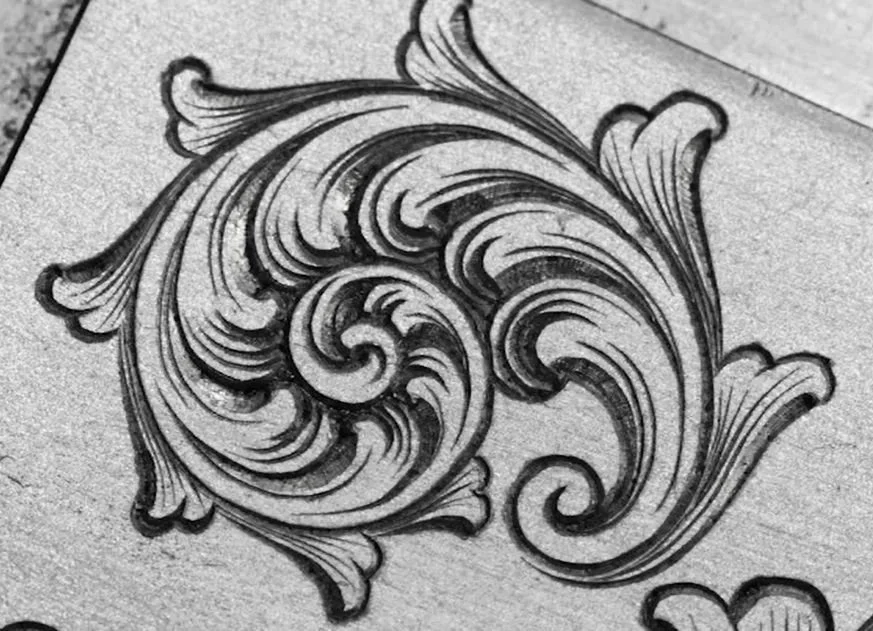
Method: A burin or graver used to cut patterns directly into the silver.
Era: Continuous, but especially prominent in Victorian jewellery and flatware.
Why it mattered: Every cut is by hand, meaning no two are identical. Used for monograms, heraldic crests, floral decoration.
Look for: Slight variations in depth, human irregularity, sparkle of fresh cuts.
Collecting insight: Engraving is where personality enters. A hand-engraved crest or dedication makes an object unique.
Chasing & Repoussé
Repoussé: Hammering from the reverse side to create raised patterns.
Chasing: Refining and detailing from the front.
Era: Popular in decorative Victorian silver (lockets, boxes, medals).
Why it mattered: Allowed elaborate three-dimensional designs without casting.
Look for: Soft, rounded relief; patterns that feel alive. Inside surfaces may show hammer traces.
Collecting insight: These pieces carry the silversmith’s rhythm — hammer marks are like signatures.
Chain-Making
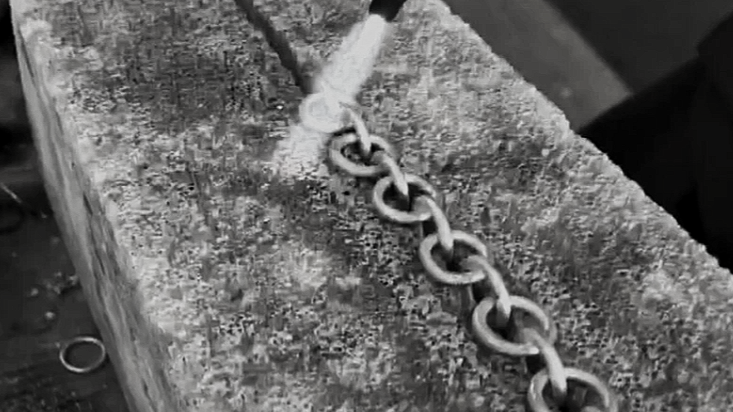
Method: Links individually cut, formed, and (in early Alberts) left open for customisation. Later links soldered closed.
Era: Alberts, fob chains, and bracelets across Victorian/Edwardian.
Why it mattered: Chain-making represents both artistry and endurance — making hundreds of links by hand, one at a time.
Look for: Early open-link chains with hallmarks on every link (a marvel of labour). Later soldered links with standardised marks.
Collecting insight: The difference between hand-made links and machine-pressed chains is night and day. Early Alberts are wearable monuments of craft.
Casting
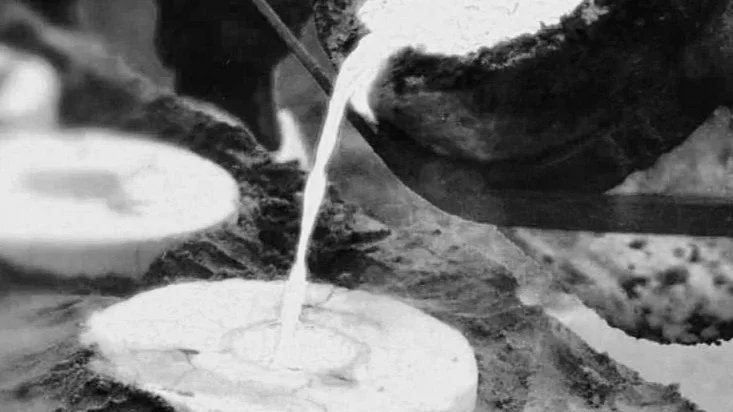
Method: Molten silver poured into moulds.
Era: Used across periods, but became more industrial in the 19th century.
Why it mattered: Allowed faster production of solid elements like clasps, fobs, or fittings.
Look for: Slight seam lines, softer detail compared to hand chasing or engraving.
Collecting insight: Cast elements are strong but sometimes less sharp. A cast fob seal vs. a hand-carved one is a different world.
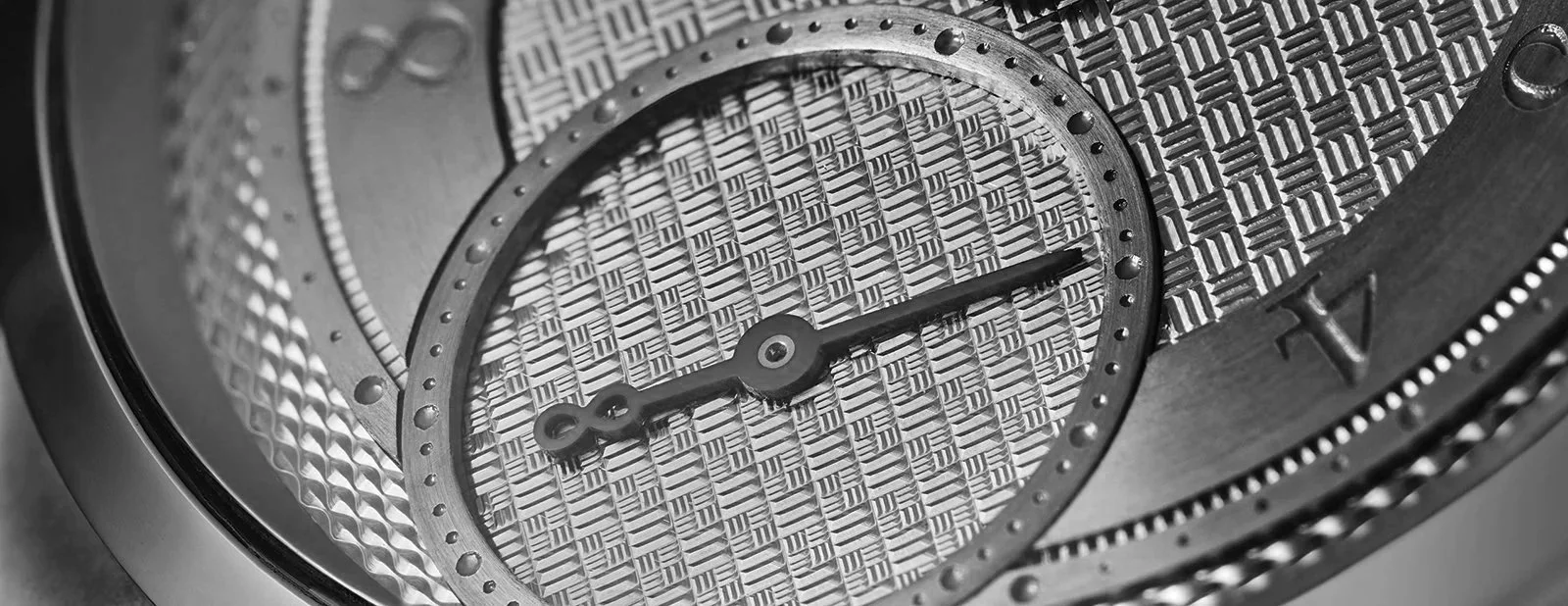
Engine Turning (Guilloché)
Method: Geometric patterns cut into silver using a lathe.
Era: Especially Edwardian, overlapping with Art Nouveau/Deco.
Why it mattered: Gave shimmer and sophistication; often paired with enamel.
Look for: Precise repeating lines, almost hypnotic patterns under light.
Collecting insight: Adds refinement and is a marker of quality silversmithing workshops.
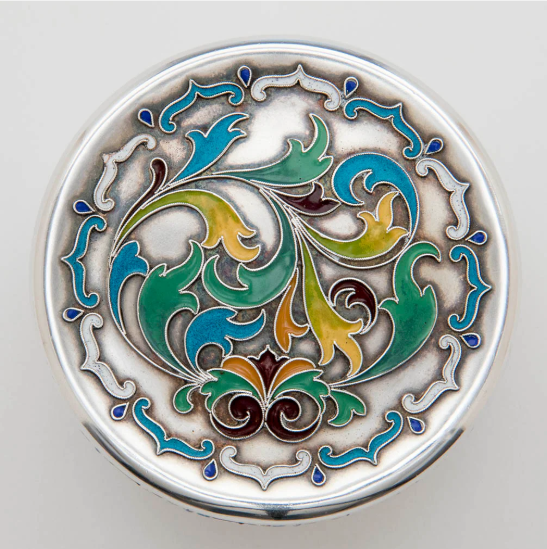
Enamelling
Method: Powdered glass fused to silver at high heat.
Era: Edwardian and Art Nouveau; colourful revival of silver.
Why it mattered: Added vibrancy and artistic flourish.
Look for: Plique-à-jour (stained glass effect), guilloché enamel, bold opaque colours.
Collecting insight: Condition is critical — chips and repairs affect value.
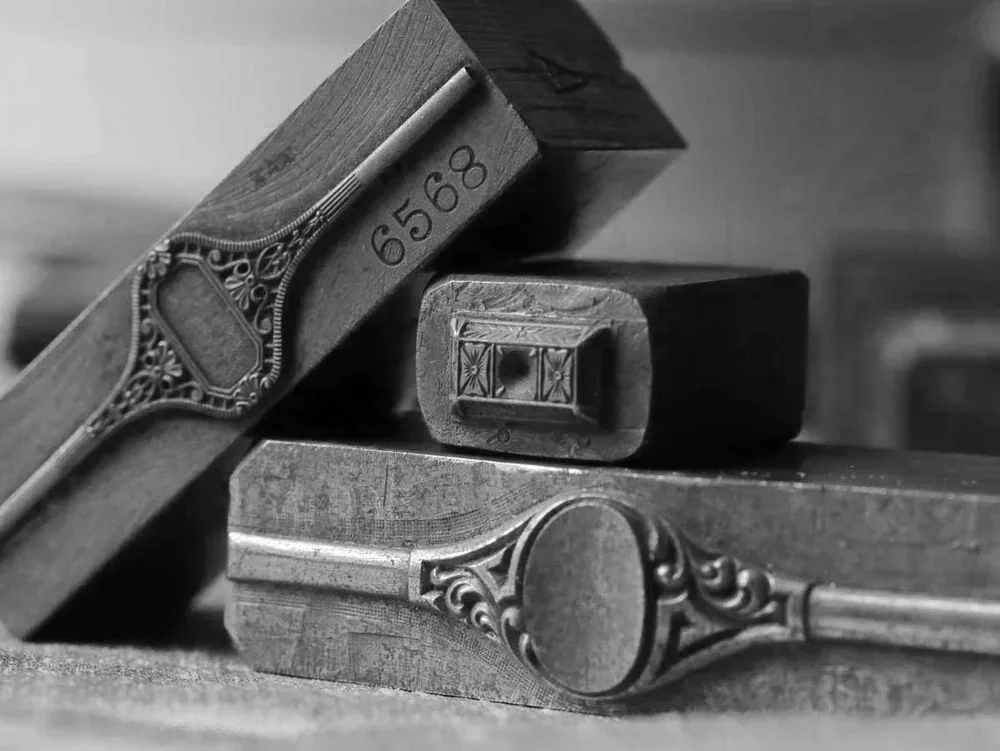
Die-Striking
Method: Designs stamped into silver using hardened dies.
Era: Industrial Victorian period.
Why it mattered: Allowed crisp repeatable designs for medallions, coins, and fobs.
Look for: Perfectly uniform designs, sharp edges but no hand-tool variation.
Collecting insight: Shows industrial precision but lacks the irregularity of handwork.
Conservation & Reimagination
At Sterling Legacy, part of the craft story is deciding what to preserve, what to clean, and what to reimagine. A hand-engraved monogram might stay, honouring the original owner. Tarnish might be left to highlight repoussé depth. When silver is transformed into a new piece, it is done with the same respect for method that first created it.
Jewellery Eras & Styles
Jewellery doesn’t just decorate; it tells us who people were, what they valued, and how they lived. Styles shift with culture, industry, and imagination - and silver reflects those changes as clearly as fashion or architecture. When you hold an antique chain, locket, or fob, you are touching the visual language of its time.
This guide introduces the major eras you’ll encounter in silver jewellery, focusing on what to look for, what defined the period, and why it matters.
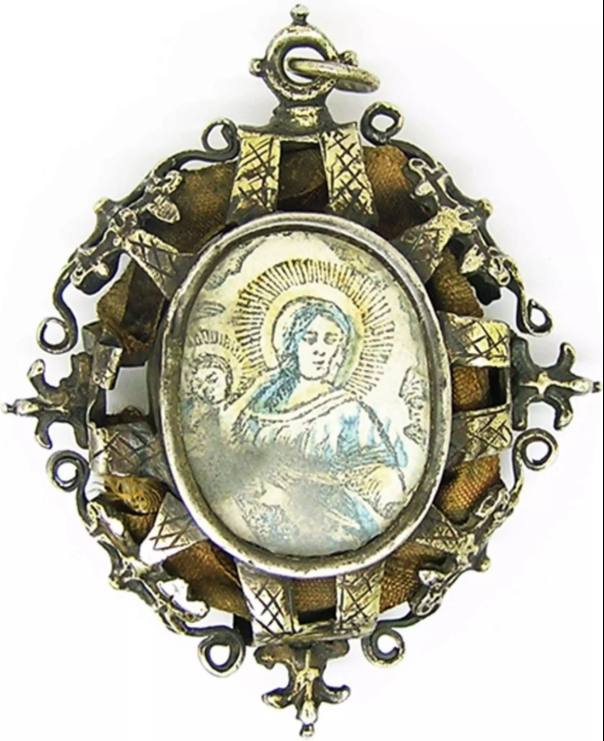
Tudor & Elizabethan (1500s)
Context: The Tudor dynasty through Elizabeth I’s reign.
Style: Heavy, gold-dominated jewellery with gemstones; silver was less commonly used for fine personal jewellery and more for tableware.
Clues: Surviving Tudor silver jewellery is exceptionally rare, often in museums.
Collector note: Almost never found on the open market — important here only for context.
Stuart (1603–1714)
Context: The Stuart period, marked by civil war, Restoration, and early modern sentimentality.
Style: Memento mori jewellery (skulls, skeletons, urns), posy rings with secret inscriptions, small silver and enamel keepsakes.
Clues: Dark, symbolic, emotionally charged.
Collector note: Genuine Stuart silver jewellery is rare and usually museum-held; you’re unlikely to find it in today’s market.
But Honestly - You’ll rarely see genuine Tudor or Stuart silver jewellery outside of a museum or high-end auction. Silver was often melted, repurposed, or simply not made into personal adornment at the same scale as later periods. These eras are included here for context - to show how styles evolved into the Georgian, Regency, and Victorian jewellery you’re more likely to encounter in collections today.
Georgian (1714–1837)
Context: Reigns of Georges I–IV and William IV.
Style: Ornate and entirely hand-made — every element crafted individually. Silver settings often foiled or closed-backed to enhance stones. Motifs: bows, floral sprays, classical designs, later neoclassical revival.
Clues: Irregular hand-cut stones, asymmetry, evidence of hand-tool work.
Collector note: Genuine Georgian silver jewellery is scarce; many surviving pieces have been altered, reset, or adapted in later periods. Highly valued if intact.
Victorian (1837–1901)
Context: Queen Victoria’s long reign, from romantic youth through mourning and industrial expansion.
Style: Sentimental motifs — hearts, hands, serpents, lovers’ knots. Heavy Albert chains, mourning jewellery with jet, onyx, or hairwork. Lockets and fobs often richly engraved.
Clues: Substantial weight, high symbolism, bold chains. Many Alberts and fobs date from this era.
Collector note: Early open-link Alberts with lion passant on every link = craftsmanship at its peak.
Edwardian (1901–1910)
Context: Short reign, but marked by elegance and refinement.
Style: Lighter, more delicate designs compared to Victorian heaviness. Guilloché enamel, bows, garlands, lace-like motifs. Trombone link chains became fashionable.
Clues: Graceful proportions, fine detail, more airy than the solid weight of Victorian pieces.
Collector note: Look for fine workmanship and guilloché patterns.
Regency (1811–1830s)
Context: The Prince Regent era (later George IV), overlapping late Georgian.
Style: Refined, elegant, lighter in design. Strong classical influence — Greek, Roman, and Egyptian revival motifs. Silver hair accessories, tiaras, and lighter chains became fashionable.
Clues: Sleeker and more restrained than earlier Georgian heaviness.
Collector note: Regency silver jewellery is uncommon, but when found, it often feels transitional — a bridge between ornate Georgian and the more industrial, symbolic Victorian.
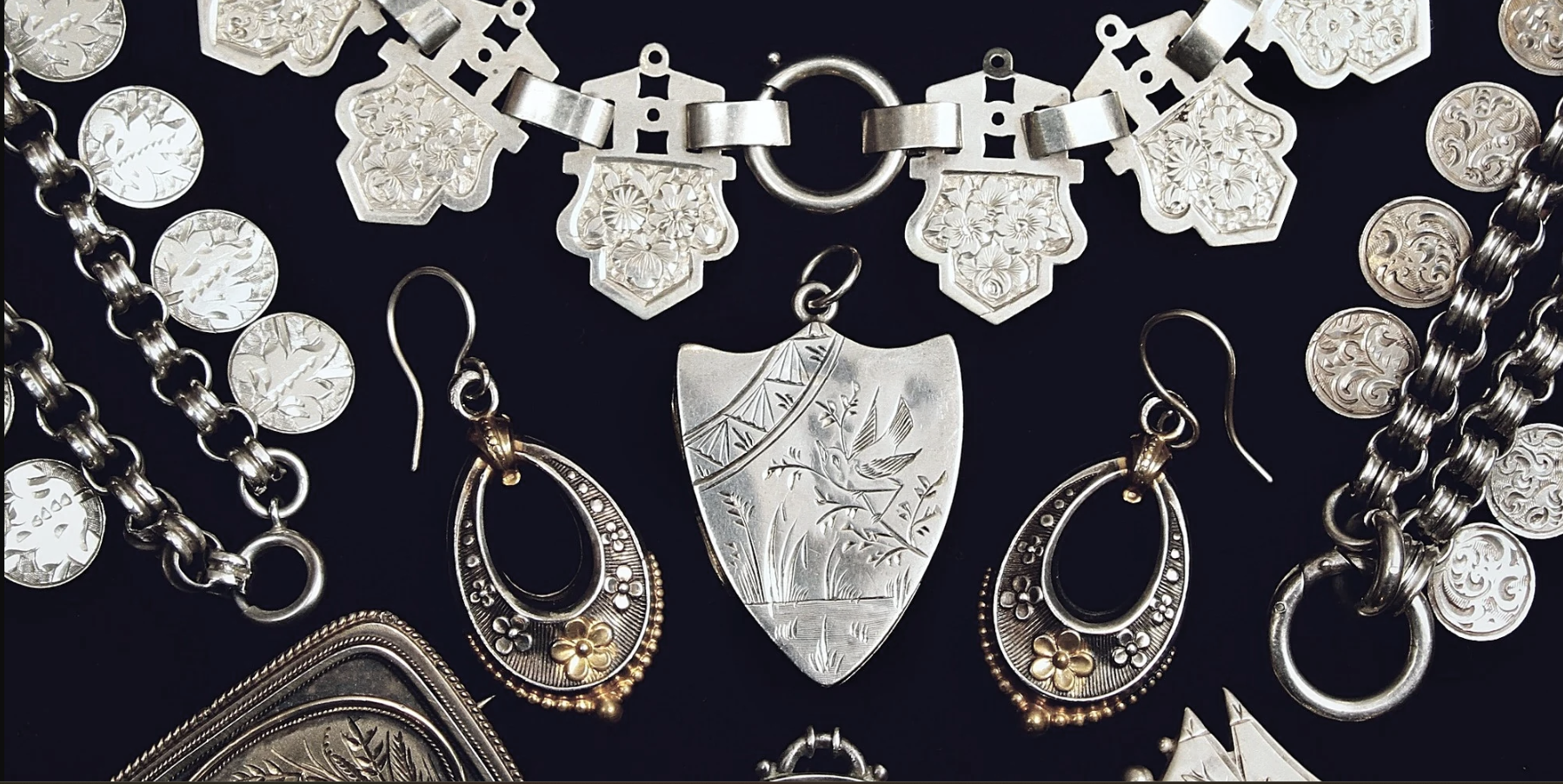
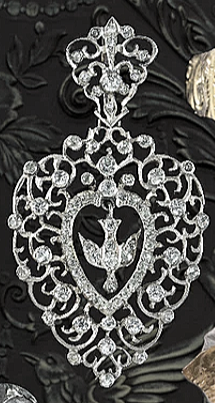
Art Deco (1920s–1930s)
Context: Post–World War I modernism, machine age, glamour.
Style: Bold geometric forms: triangles, chevrons, circles. Silver paired with marcasite, onyx, enamel. Clean lines, symmetry, drama.
Clues: Strong geometry, contrast of black and silver, sparkle of marcasite.
Collector note: Still highly wearable today, Art Deco silver feels timeless and chic.
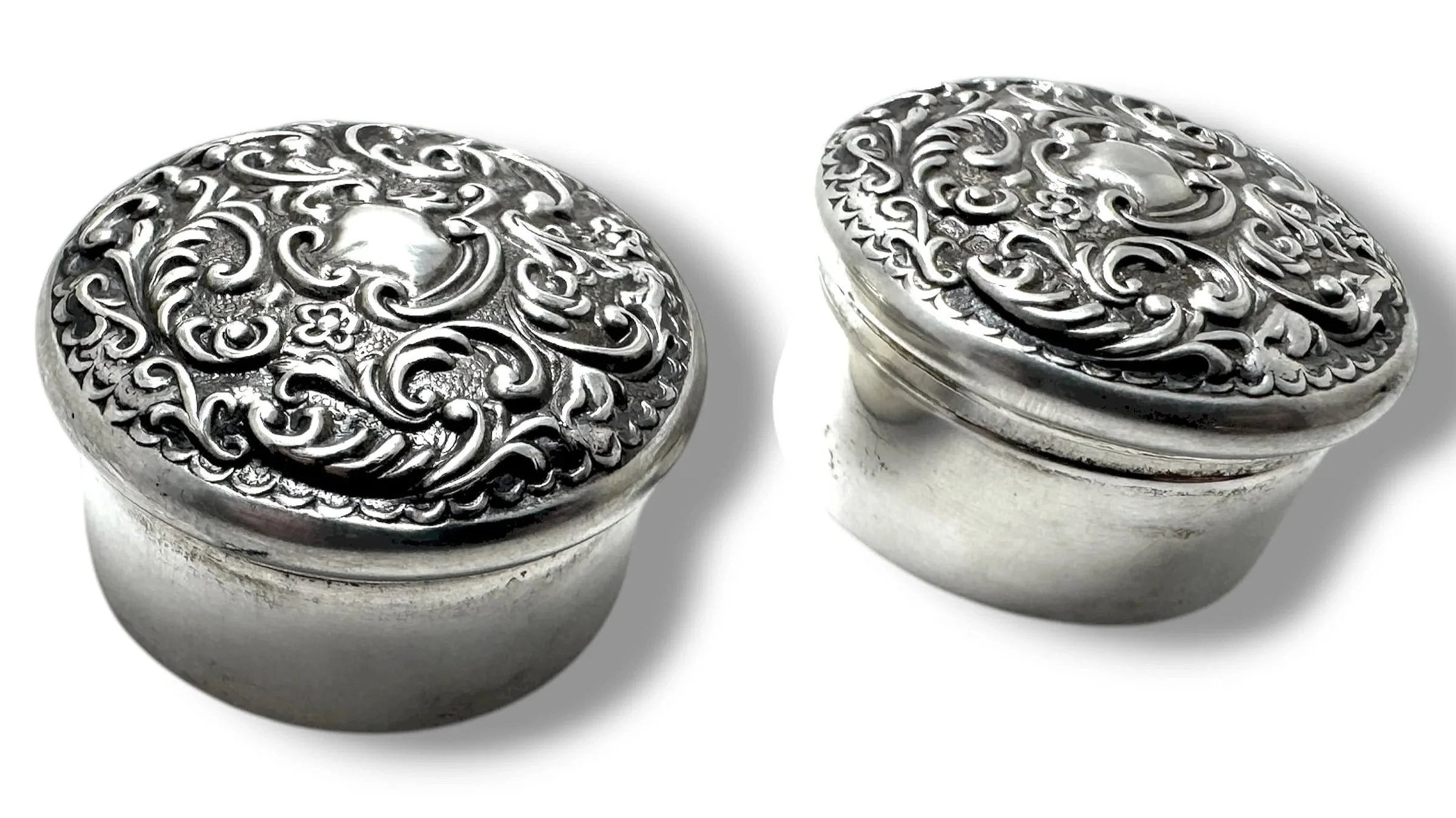
Mid-Century Modern (1940s–1960s)
Context: Post-war design, Scandinavian influence.
Style: Clean, minimalist, abstract. Larger sculptural silver jewellery. Emphasis on form rather than ornament.
Clues: Smooth planes, sweeping curves, absence of heavy engraving.
Collector note: Growing interest in Scandinavian silver; pieces are rising in value.
Art Nouveau (c. 1890–1910, overlapping late Victorian/Edwardian)
Context: A rebellion against industrial repetition, celebrating nature and artistry.
Style: Flowing, organic forms. Motifs: dragonflies, lilies, female profiles, whiplash curves. Enamelling in soft, natural tones.
Clues: Movement and asymmetry — no two pieces quite the same.
Collector note: Silver Art Nouveau is rarer than gold, but when found, carries exceptional artistic value.
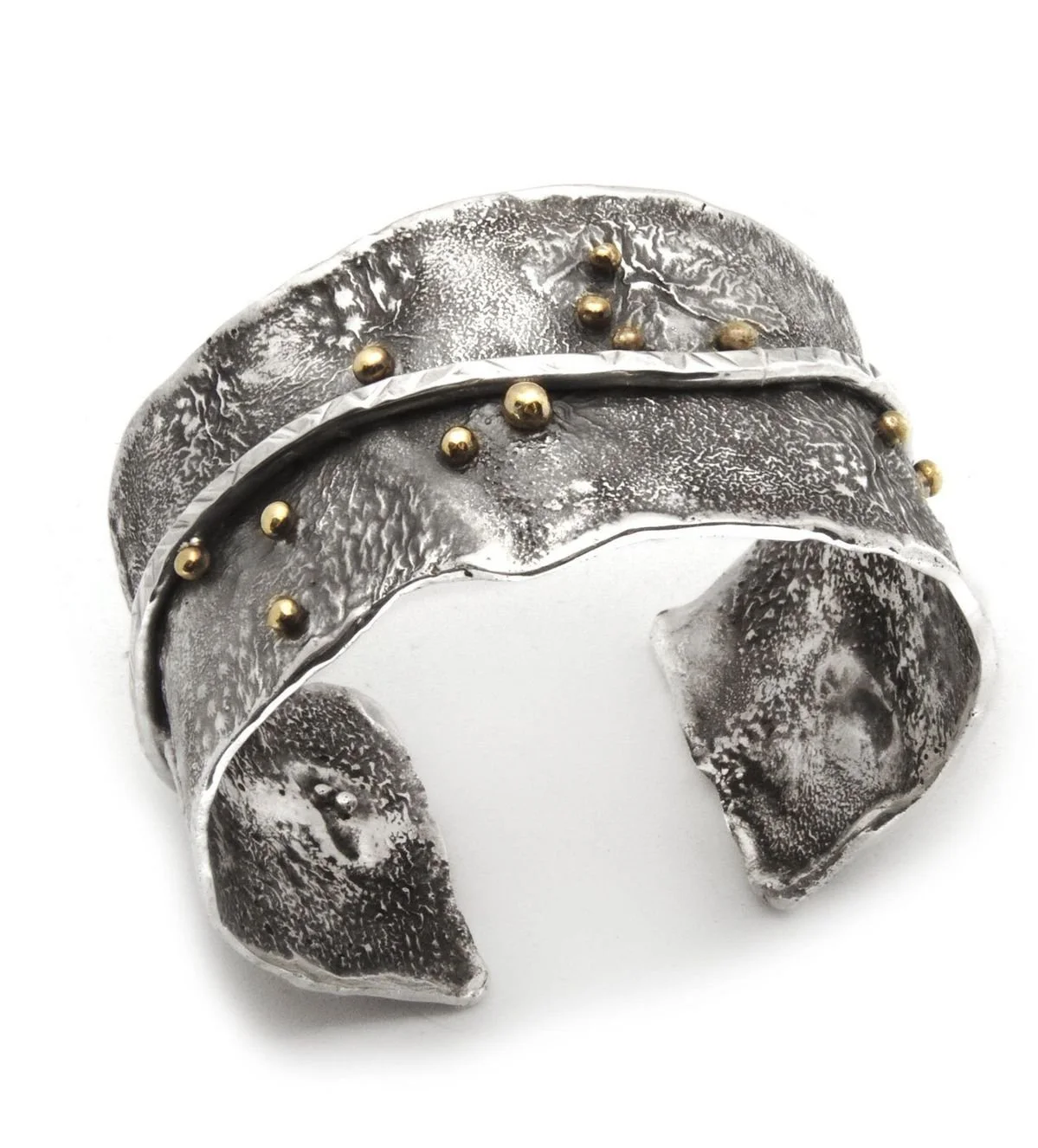
Arts & Crafts Movement (c. 1880–1920)
Context: Parallel to Art Nouveau, emphasising handcraft over machine.
Style: Hammered finishes, simple cabochon stones. Visible tool marks as a statement of handwork.
Clues: Naïve, honest, less polished. Often looks handmade — because it is.
Collector note: Hugely collectable among those who value the “maker’s hand.”
Reproductions & Revivals
Not everything that looks old is old. Silver jewellery styles are frequently revived:
1960s Victorian Revival - mass-market Alberts and lockets, often plated.
1980s Deco Revival - marcasite and onyx in geometric designs.
How to spot: Lack of proper hallmarks, too-light weight, machine-pressed uniformity.
Revivals aren’t “bad” - but knowing the difference protects you as a buyer and helps you appreciate the real thing.
Why Eras Matter
Understanding jewellery eras doesn’t just make you a more confident collector; it makes wearing silver richer. A Victorian Albert chain is a link to a world of sentiment and industry. An Art Deco pendant carries the sleek optimism of the jazz age. Each era adds layers of meaning to the silver we wear today.
At Sterling Legacy, I do my best to share as much as I can about the Era of the piece - so you can connect not just with silver, but with its story in time.